
Protecting Your Vision Through Early Detection
Many eye diseases begin quietly, developing over months or years without causing any noticeable symptoms or changes to your sight. This allows them to damage your vision without detection until the vision loss becomes severe enough to affect your daily life.
Because you might not feel or see a problem forming, routine, comprehensive eye exams are a vital part of safeguarding your health. These regular checkups allow our optometry team to identify and treat conditions in their earliest stages, long before they affect your daily life, helping you protect your vision for years to come.
Schedule your eye exam in Wildwood and help preserve your vision today.
How Our Technology Supports Early Detection
Catching an eye condition early often leads to significantly better treatment outcomes and greatly reduces the risk of permanent vision loss. To provide this level of proactive care, we invest in innovative diagnostic tools.
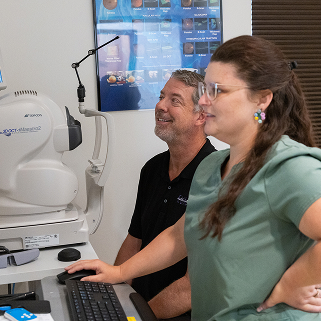
We use the Topcon Maestro2 OCT to capture high-resolution fundus photography and detailed cross-sectional OCT scans. Additionally, we perform precise eye pressure checks and visual field assessments. By gathering this crucial data, we can spot subtle changes early and implement a personalized management plan.
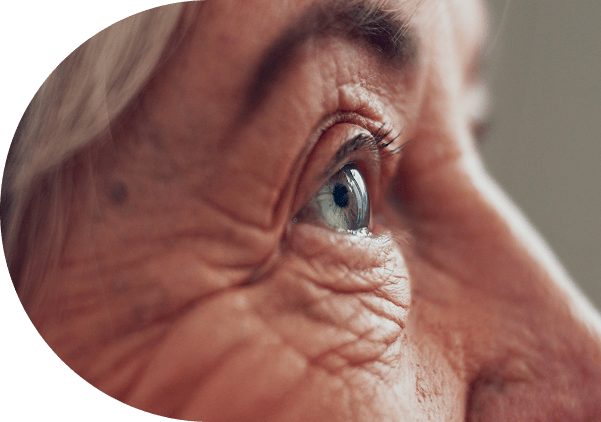
Glaucoma
Glaucoma is a group of eye conditions that cause damage to the optic nerve, the vital pathway that sends visual information from your eyes to your brain. This damage is frequently, though not always, caused by increased pressure inside the eye.
Because glaucoma typically steals your vision slowly and painlessly, often starting with your peripheral sight, it is incredibly difficult to notice without a professional eye exam.
Management options vary depending on the specific stage and progression of the condition. While we handle ongoing monitoring and localized treatments, we will refer out to a trusted specialist or eye surgeon when necessary, remaining closely connected to seamlessly coordinate your care.
This is the most common form of the disease. It develops gradually when the eye’s natural drainage canals become partially clogged over time. Because the pressure builds up slowly, it produces no pain and no early symptoms, making regular screenings essential.
A less common but serious form, angle-closure glaucoma, happens when the drainage angle between the iris and the cornea narrows or becomes completely blocked. This can cause a sudden, rapid rise in eye pressure, which is a medical emergency that requires immediate attention.
Normal-tension glaucoma occurs when optic nerve damage happens even though your eye pressure readings fall within a standard, healthy range. Secondary glaucoma refers to nerve damage that develops as a direct result of an underlying medical condition, a physical eye injury, or the use of certain medications.
While anyone can develop glaucoma, you may have a higher likelihood of experiencing it if you have certain risk factors, including:
- Severe nearsightedness or farsightedness
- Being over the age of 60
- A family history of glaucoma
- Having medical conditions such as diabetes, high blood pressure, or heart disease
- Naturally high internal eye pressure
Macular Degeneration
Macular degeneration, also called age-related macular degeneration (AMD), is a disease associated with aging that slowly destroys the macula, which is a tiny part of the retina responsible for your sharp central vision.
AMD progresses slowly, and without pain, so often people do not notice the small changes in their vision until their eyesight is significantly impacted. There are two types of AMD: dry and wet. They have different symptoms and require different management approaches.
At Wildwood Vision Specialists, we offer a genetic test that can be completed in the office to check for predisposition to AMD. By understanding your risk, you’re able to begin preventive measures early to help protect your eye health and vision, including nutritional supplements to support macular health and more frequent eye exams to monitor for any signs of disease.
Dry AMD occurs when the light-sensitive cells of the macula gradually become thin and stop working properly. It progresses slowly and accounts for the majority of cases. Drusen, yellow deposits under the retina, are an early sign of dry AMD that can be seen through retinal imaging and OCT scans.
Dry AMD causes symptoms such as:
- The gradual loss of clear vision
- The shape of objects appears distorted
- Straight lines look wavy or crooked
- Loss of color vision
- A dark spot or empty area in your central vision
Dry AMD can progress into wet AMD. There is no cure for dry AMD, but nutritional supplements formulated specifically to support macular health can help to slow the progression for individuals at risk or diagnosed with dry AMD.
Wet AMD occurs when abnormal blood vessels grow under the macula. These vessels are very fragile and often leak fluid or blood, distorting vision. Wet AMD progresses quickly, with a rapid loss of vision.
Wet AMD causes symptoms such as:
- Blurry vision
- Straight lines appear wavy
- A hole or dark spot in your central vision
- Rapid onset of symptoms
Individuals with Wet AMD will be referred to a specialist for treatment.
Some risk factors for AMD include:
- Smoking
- Obesity
- Race (Caucasians are more likely to develop AMD than other races)
- Family history
- Gender (Women are more likely to develop AMD than men)
- High myopia
- Overexposure to UV rays
Many lifestyle adjustments can help to reduce your risk of developing AMD. Quitting smoking, eating a balanced diet with lots of green leafy vegetables and fish, maintaining a normal blood pressure and healthy weight, regular exercise, and wearing UV protective sunglasses outdoors can all help lower your risk.
Cataracts
A cataract occurs when the natural lens of the eye becomes cloudy and opaque over time. They can occur in one or both eyes, but do not spread from one eye to another. Cataracts are a normal part of aging; however, there are certain lifestyle factors and systemic conditions that can cause them to form at an earlier age or more rapidly.
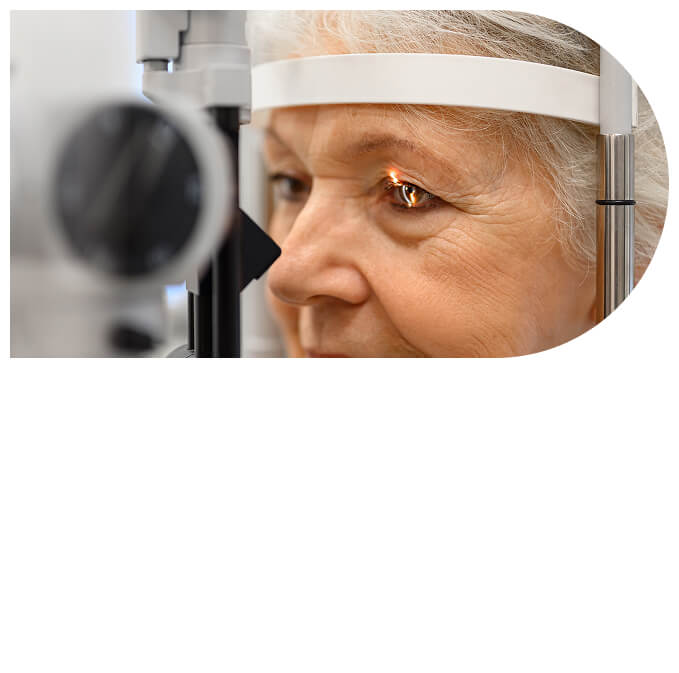
Cataracts can be detected in a comprehensive eye exam. Your optometrist will view your eyes through a slit lamp microscope to check for any signs of cloudiness in the lenses.
Factors that can contribute to cataracts include:
- Diabetes
- Glaucoma
- Trauma or injury to the eye
- Radiation
- Smoking
- UV light exposure
Wearing UV protection while outdoors, maintaining a healthy diet, quitting smoking, and keeping up with regular eye exams can help you mitigate these contributing factors.
Cataracts can be managed in early stages through updated eyewear prescriptions. We may recommend a special coating on your glasses to enhance visual contrast.
When your vision becomes affected to the point that it affects your everyday activities and cannot be corrected with glasses, it might be time to get the cataracts removed. We provide referrals to trusted, local ophthalmologists for your procedure, and help to prepare you before and monitor your healing after.
Other Common Eye Diseases We Monitor and Manage
Keratoconus
Keratoconus is a condition where the clear, front surface of your eye (the cornea) thins and gradually bulges into a cone shape, which can cause blurred or distorted vision.
Our team closely monitors the progression of this condition to stay ahead of any changes. To support your sight, we provide specialty contact lenses designed to fit comfortably over irregular corneas, helping to correct vision issues that standard glasses or contacts cannot address.
Diabetic Eye Disease
Living with diabetes increases the risk of developing certain eye conditions, including diabetic retinopathy, which damages the tiny blood vessels in the retina.
Because these complications can develop without early warning signs, we offer comprehensive eye exams specifically tailored for individuals with diabetes. During these visits, we use OCT scans to look beneath the surface of the eye, checking for early signs of disease and helping you protect your long-term vision.
Dry Eye Disease
Dry eye occurs when your eyes do not produce enough tears, or when the tears evaporate too quickly, leaving your eyes feeling gritty, irritated, or fatigued.
We perform a thorough assessment to find the root cause of your symptoms. Once we understand why your eyes are experiencing discomfort, we provide a personalized treatment plan tailored to your specific needs to help you find lasting relief.
Book Your Comprehensive Eye Exam in Wildwood Today
Your sight is an invaluable part of your life, and staying ahead of asymptomatic eye conditions is the most effective way to protect it.
Routine, comprehensive eye exams give us the tools and the time needed to monitor your health, use advanced imaging, and manage conditions like glaucoma before they impact your daily routine.
Take a positive, reassuring step toward your long-term wellness by booking your appointment with us online today.
Visit Our Location
Find us just off Highway 100 on Fountain Place in the Wildwood Town Center. There’s plenty of parking right out front.
Our Hours
What Our Patients
Are Saying




I’ve been going to WWV since 2017, she jokingly said you’re an OG. They have all my eye records so the history told the story.
They operate consistently and efficiently which in large part is due to attentive staff. The story will continue.




Our Featured Eyewear Brands
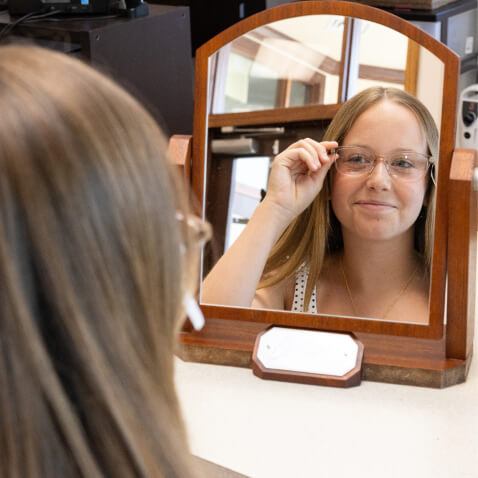

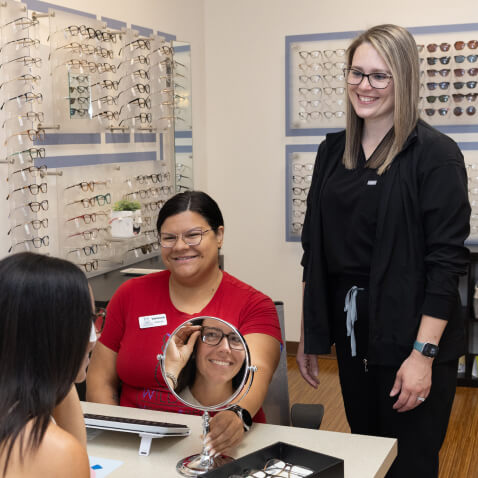




Restore Comfortable Vision
Neurolenses can provide relief from headaches, motion sickness, and neck pain caused by eye misalignment.