
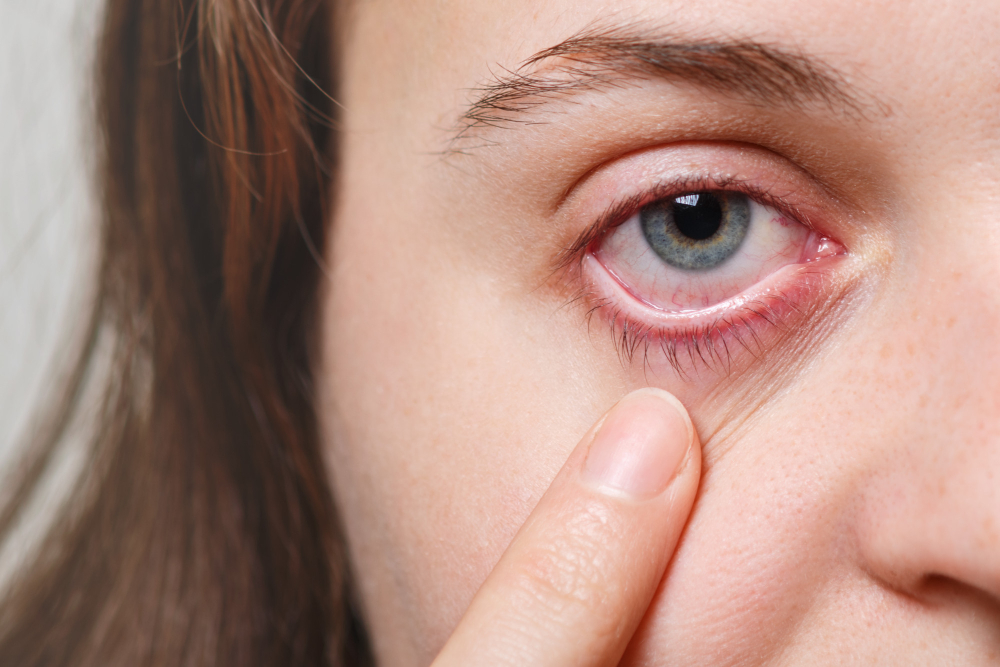
Introduction: The Winter Chill and Your Eyes
As the temperature drops and the furnaces kick on, we all expect a few winter side effects: chapped lips, dry skin, and static hair. But for many people, the most annoying symptom hits closer to home—their eyes.
It’s common to experience stinging eyes in winter. The combination of biting cold winds outside and bone-dry, heated air inside creates a perfect storm for evaporation, leaving your eyes feeling gritty, tired, and red. But how do you know if this is just a seasonal annoyance or a sign of a deeper problem?
The Seasonal Factor: Why Winter is Tough on Eyes
Your eyes rely on a thin layer of tears to stay lubricated and clear. In the winter, the humidity levels drop drastically. When you add forced-air heating to the mix, that essential tear film evaporates much faster than usual.
This “evaporative stress” is why you might notice stinging eyes in winter, specifically when you step outdoors on a windy day or wake up in a room with the heat blasting. According to the National Eye Institute, environmental factors like smoke, wind, and dry climates are leading causes of tear evaporation. For most people, this is temporary, and using a humidifier can often provide enough relief.
Knowing the Difference: Chronic Dry Eye vs. Winter Dry Eye
If your symptoms persist despite your best efforts, you might be dealing with something more than just the weather. Understanding the difference between chronic dry eye vs winter dry eye is the first step toward finding real relief.
- Winter Dry Eye (Environmental):
- Symptoms worsen specifically in dry or windy environments.
- Relief is often found quickly with over-the-counter artificial tears or humidity adjustments.
- Symptoms tend to resolve when the weather warms up or humidity returns.
- Chronic Dry Eye (Disease-Based):
- Symptoms are persistent year-round, though winter may make them worse.
- You may experience fluctuating vision (blurry one moment, clear the next).
- Your eyes may water excessively (a reflex response to poor quality tears).
- Standard artificial tears provide only fleeting relief or none at all.
According to the American Academy of Ophthalmology, chronic dry eye is often caused by a lack of tear production or poor tear quality (such as blocked oil glands), rather than just external air conditions.
When to See a Specialist
If you find yourself relying on eye drops multiple times a day, or if your eye discomfort is affecting your ability to work or drive, it’s time to stop guessing and start treating.
Home remedies can’t fix blocked oil glands or chronic inflammation. As a dedicated dry eye specialist Wildwood residents trust, we use advanced diagnostics to look at the quality of your tears, not just the quantity. We can identify if you are suffering from Meibomian Gland Dysfunction (MGD) or other underlying causes that winter weather is simply aggravating.
Conclusion: Don’t Settle for the Sting
You don’t have to “tough it out” until spring. Whether it’s a seasonal flare-up or a chronic condition, you deserve clear, comfortable vision.
We offer specialized dry eye treatments that go far beyond standard eye drops to target the root cause of your irritation. If you’re tired of the burn, let us help.
Contact Wildwood Vision today to schedule an evaluation. Let’s make sure your eyes stay comfortable all year round.