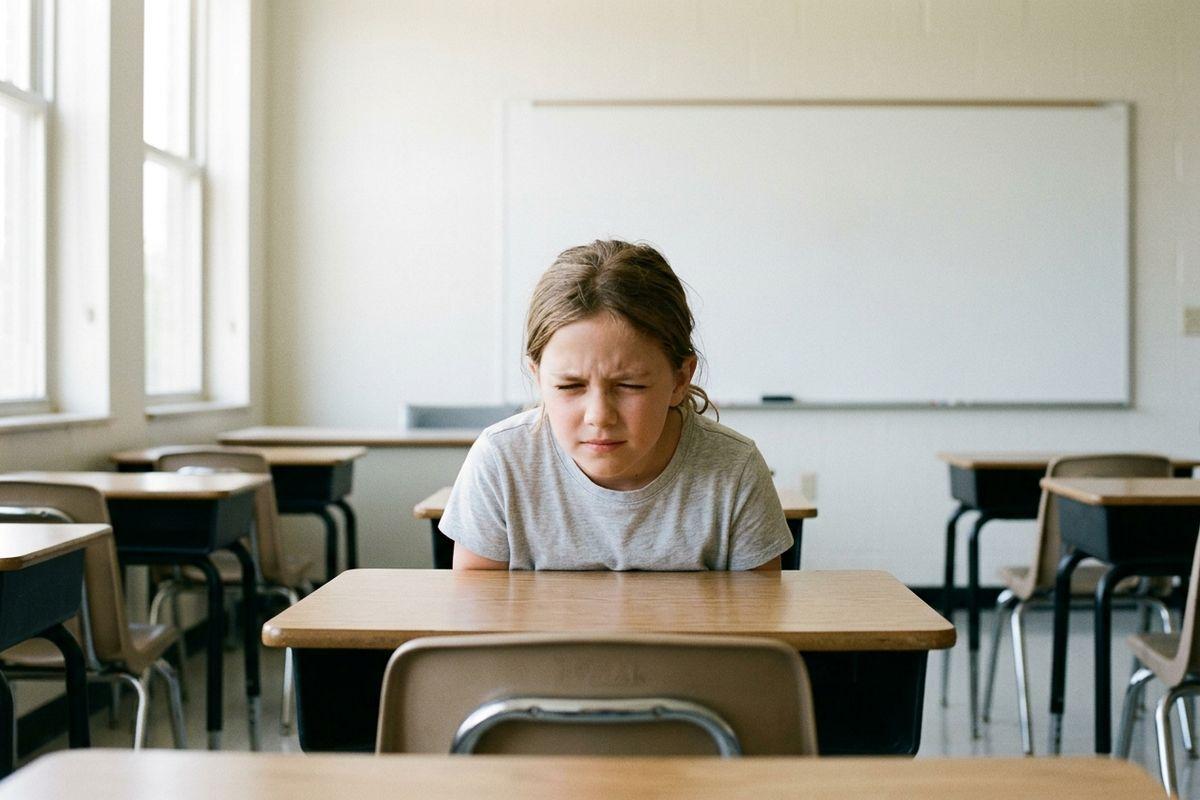
Nearsightedness often shows up during the school years, and for a lot of kids, it gets a little stronger every year. You may see it at each eye exam when the new prescription comes back higher than the last one.
You can help slow that pattern, and glasses can be part of the plan. Stellest lenses are eyeglass lenses that correct your child’s nearsighted vision and, when worn every day, can help slow how quickly their myopia progresses. We use them as part of myopia management for kids, and from across the room, they look like any other pair of glasses.
What Myopia Means for Your Child’s Eyes
With myopia, or nearsightedness, things in the distance look blurry while things up close stay clear. It usually happens because the eyeball grows too long from front to back, so light focuses in front of the retina.
Myopia tends to start between ages 6 and 14, and it can keep getting worse into the early 20s. It works the opposite way from hyperopia, or farsightedness, where close-up objects give your child more trouble.
Higher levels of myopia are also linked to a greater risk of serious eye conditions later in life, including retinal detachment and glaucoma. Slowing myopia while your child is still growing may help lower that risk.
Signs of Myopia in Kids
Kids don’t always tell you when the board looks fuzzy, especially if they’ve never seen it clearly. Watch for signs like these:
- Squinting at things far away
- Tilting their head to see better
- Covering 1 eye
- Holding books, tablets, or phones close to their face
- Frequent headaches
Regular eye exams for kids can help your optometrist find myopia early and track how fast it’s changing. That history matters when you’re deciding whether myopia control makes sense.
How Stellest Lenses Work
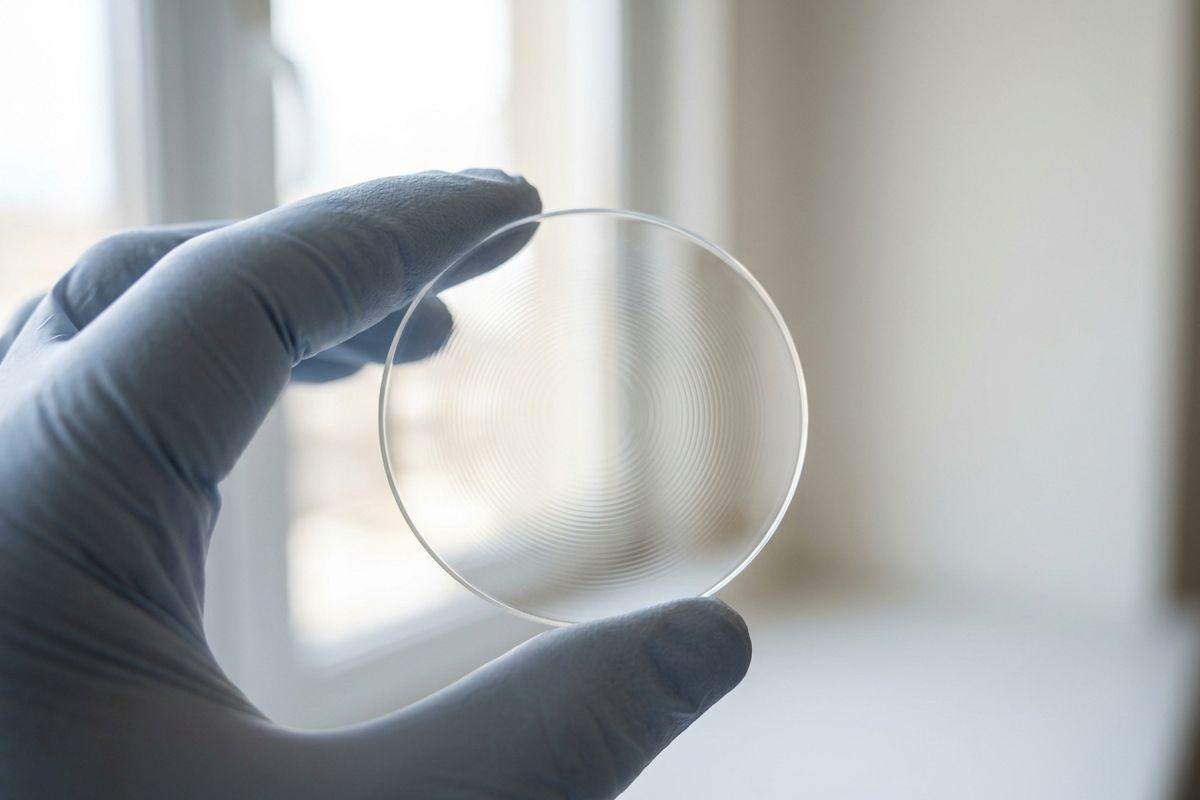
Stellest lenses use a design called H.A.L.T., short for Highly Aspherical Lenslet Target. Each lens has a clear center surrounded by rings of tiny raised dots called lenslets, and the FDA has authorized them for children ages 6 to 12. The clear center corrects your child’s distance vision the same way a regular lens does.
The lenslets send defocused light to the outer edges of the retina. That signal may help slow how fast the eye grows longer.
Your child won’t feel any of this happening. They’ll put their glasses on in the morning and go about their day, although some kids notice slight blurriness or halos while they get used to the lenses.
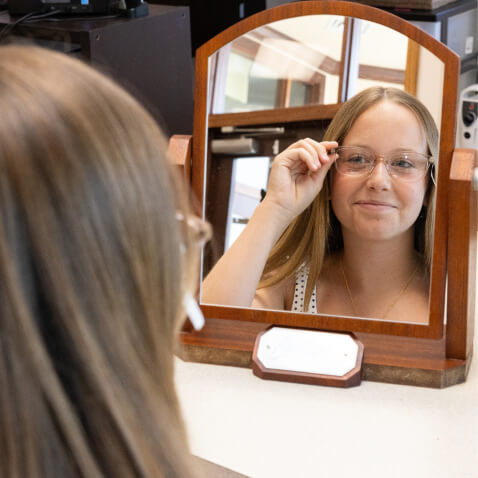
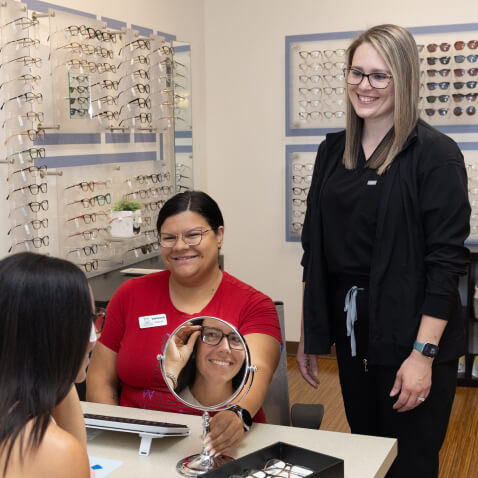
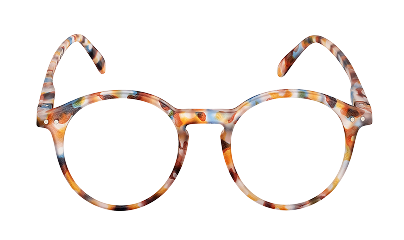
Let your child help choose the frames. Kids tend to wear glasses more when they like how they look, and your optometrist can help you find glasses that fit well and suit Stellest lenses.
How Well Do Stellest Lenses Slow Myopia?
In a 2-year clinical trial, children who wore Stellest lenses had 71% less myopia progression than children who wore standard single-vision lenses. Their eyes also grew 53% less in length. Those numbers are averages, so your child’s results may look different.
Wear time matters here. Essilor recommends at least 12 hours a day, every day, which covers most of a school day plus time at home.
A few habits can make that much wear feel normal:
- Put the glasses on first thing in the morning
- Keep a case in your child’s backpack
- Ask their teacher for a gentle reminder if the glasses come off in class
- Bring them in for an adjustment if they keep sliding down
Stellest Lenses vs. Other Myopia Control Options
Depending on your child’s age and comfort level, your optometrist may also talk with you about other options:
- Orthokeratology (ortho-k): Firm contact lenses your child wears overnight to gently reshape the front of the eye, then takes out in the morning.
- Myopia control contact lenses: Soft daily lenses like MiSight, which are approved for kids who start wearing them between ages 8 and 12.
- Low-dose atropine eye drops: A drop your child uses once a day.
Stellest lenses can suit kids who already wear glasses and aren’t ready for contacts or daily drops. Since they’re authorized for children as young as 6, they also give younger kids an option before contact lenses are on the table.
Some families combine approaches. Your optometrist can explain whether pairing Stellest lenses with another treatment could help your child.
How Long Do Kids Wear Stellest Lenses?
Most kids wear Stellest lenses through the years their eyes are still growing, and that timeline looks different for every child.
At follow-up visits, your optometrist checks your child’s prescription and how their eyes are growing. If myopia keeps moving faster than expected, they may update the plan.
Kids also outgrow frames as they get bigger. When it’s time for a new pair, your optometrist can make sure the lenslets still sit centered in front of your child’s eyes.
Getting Started with Stellest Lenses for Your Child
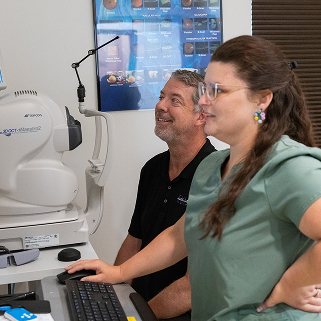
The first step is a full eye exam. From there, your optometrist reviews your child’s prescription history and asks about their daily routine, such as how long they spend on screens, reading, and playing outside.
If your child’s prescription has gone up for a few years in a row, ask us whether Stellest lenses could be a good fit. Our optometrists at Wildwood Vision Specialists work with kids every day and take time to answer your questions. Book a myopia consultation and talk through the options for your child’s eyes.