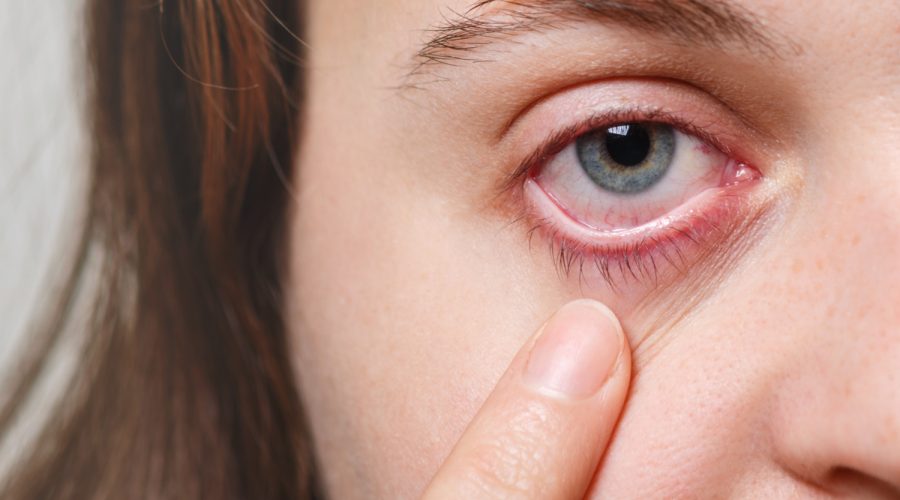
At Wildwood Vision Specialists, we often see patients suffering from dry, irritated eyes who have tried numerous over-the-counter remedies without success. What many don’t realize is that the majority of dry eye cases are caused by a condition called Meibomian Gland Dysfunction, or MGD. Understanding this common condition is the first step toward finding effective, long-lasting relief for your dry eye symptoms.
What is Meibomian Gland Dysfunction?
Meibomian glands are tiny oil-producing glands located along the edges of your eyelids, with 30-40 glands in your upper lids and slightly fewer in your lower lids. These glands secrete an oily substance called meibum that forms the outer layer of your tear film. This oil serves a crucial purpose: it prevents your tears from evaporating too quickly, keeping your eyes comfortably lubricated.
MGD occurs when these glands become blocked or don’t function properly. Without sufficient oil in your tear film, tears evaporate too quickly, leading to the uncomfortable symptoms of dry eye syndrome.
How Common is MGD?
MGD is remarkably common but often goes undiagnosed. Research indicates that:
- MGD is the leading cause of dry eye syndrome, contributing to approximately 75% of all dry eye cases
- An estimated 35.8% of people worldwide have MGD
- In the United States, approximately 70% of people over age 60 have MGD
- It’s more common in males than females
What Causes MGD?
Several factors can contribute to the development of MGD:
Age-Related Factors
As we age, meibomian gland function naturally decreases. Not only do the glands produce less oil, but the actual number of functioning glands diminishes over time.
Environmental Factors
- Low humidity environments (air conditioning, heating)
- Extended screen time (reduced blinking)
- Exposure to wind or smoke
- Hot, dry weather
Skin and Eye Conditions
- Rosacea
- Blepharitis (eyelid inflammation)
- Allergic eye disease
Other Risk Factors
- Contact lens wear
- Certain medications (including some glaucoma treatments and hormone therapies)
- Incomplete removal of eye makeup
- Systemic conditions like Sjögren’s syndrome, rheumatoid arthritis, or diabetes
Recognizing the Symptoms of MGD
MGD can cause a variety of uncomfortable symptoms that may include:
- Persistent dry, scratchy feeling in your eyes
- Burning or stinging sensation
- Blurred vision that comes and goes
- Redness and irritation
- Sensitivity to light
- Excessive watering (your eyes’ response to dryness)
- Morning eye irritation
- Contact lens discomfort
- Crusty eyelids or sticky secretions
One confusing aspect of MGD is that it can sometimes cause excessive watering or tearing. This happens when your eyes sense dryness and try to compensate by producing more of the watery component of tears, but without adequate oil, these tears evaporate quickly, failing to relieve the dry eye sensation.
How We Diagnose MGD at Wildwood Vision
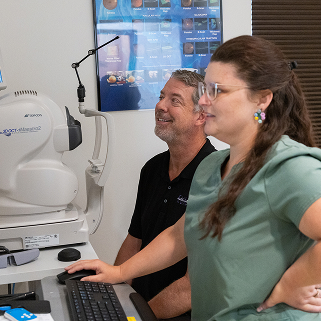
Diagnosing MGD requires a comprehensive eye examination. At Wildwood Vision Specialists, our doctors use several diagnostic techniques:
- Detailed patient history: We’ll discuss your symptoms, environment, medical history, and medication use.
- Eyelid evaluation: We carefully examine your eyelids for signs of MGD, including:
- Clogged gland openings
- Thickened or abnormal meibum secretions
- Eyelid margin irregularities
- Tear film assessment: We evaluate the quality, quantity and stability of your tears using:
- Tear film break-up time tests
- Evaluation of the tear meniscus (the small tear reservoir along the lower eyelid)
- Schirmer’s test to measure tear production
- Expression of the meibomian glands: Gentle pressure is applied to the eyelids to evaluate oil secretion from the glands.
Effective Treatment Options for MGD
Unlike some conditions that can be permanently cured, MGD typically requires ongoing management. The good news is that with the right approach, symptoms can be significantly improved and well controlled. Our treatment recommendations are customized to each patient’s specific needs and may include:
At-Home Therapies
- Warm Compresses and Lid Massage:
- Apply warm (not hot) compresses to closed eyelids for 5-10 minutes
- Follow with gentle massage to help express blocked oils
- Perform daily for best results
- Lid Hygiene:
- Specialized eyelid cleansers to remove debris and bacteria
- Proper makeup removal techniques
- Regular cleaning of eyelashes and lid margins
- Nutritional Support:
- Omega-3 fatty acid supplements that may help improve meibum quality
- Staying properly hydrated
- Dietary modifications if appropriate
In-Office Treatments
At Wildwood Vision Specialists, we offer advanced treatments for MGD, including:
- Prescription Medications:
- Anti-inflammatory drops to reduce eyelid inflammation
- Specialized eye drops that target specific aspects of dry eye
- Oral medications when appropriate
- Advanced Therapies for Severe MGD:
- LipiFlow® treatment – a thermal pulsation system that warms and massages the inner eyelid to remove blockages
- Intense Pulsed Light (IPL) therapy
- Meibomian gland probing for severely obstructed glands
Prevention and Long-Term Management
While MGD is often chronic, these strategies can help minimize symptoms and prevent worsening:
- Take regular breaks when using digital devices (follow the 20-20-20 rule: every 20 minutes, look at something 20 feet away for 20 seconds)
- Ensure proper contact lens hygiene and wear schedule
- Use a humidifier in dry environments
- Thoroughly remove eye makeup daily
- Schedule regular eye exams to monitor gland health
- Follow your prescribed treatment plan consistently
Why Choose Wildwood Vision for MGD Treatment?
At Wildwood Vision Specialists, our doctors have extensive experience diagnosing and treating MGD and dry eye syndrome. We understand that dry eye is not just an inconvenience—it can significantly impact your quality of life, productivity, and overall eye health.
We take a comprehensive approach to MGD management, combining the latest diagnostic technology with proven treatment strategies. Our goal is not just to temporarily relieve symptoms, but to develop a sustainable plan that improves your eye health for the long term.
Schedule Your Dry Eye Evaluation Today
If you’re experiencing symptoms of dry eye that haven’t responded to over-the-counter remedies, it may be time to investigate whether MGD is the underlying cause. Contact our office today to schedule a comprehensive dry eye evaluation. Don’t let dry, irritated eyes affect your comfort and quality of life any longer.
This article is for informational purposes only and is not intended to be a substitute for professional medical advice, diagnosis, or treatment. Always seek the advice of your eye care provider regarding any questions you may have about a medical condition.